
“A Lesson in Jr. Junior Journalism, or Tiny Tots Can Teach You, Too”
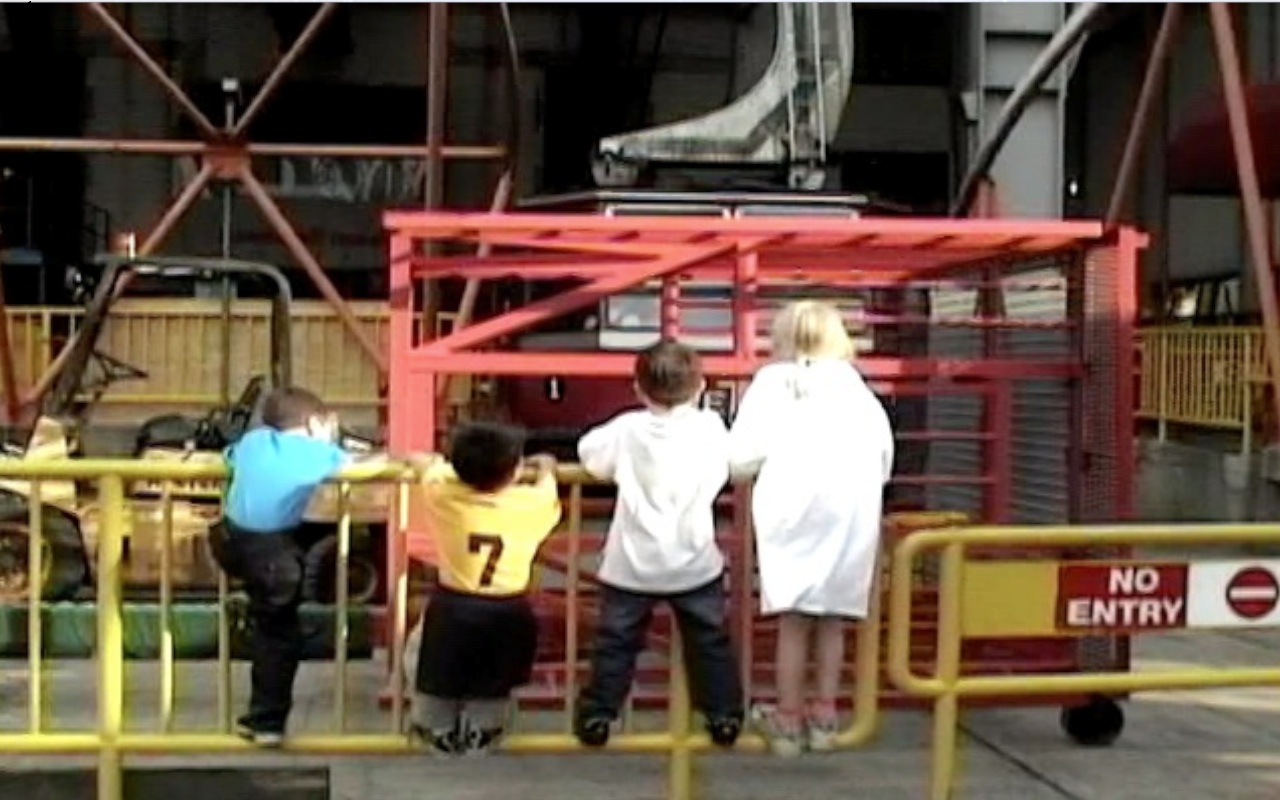
Kids from TNTM’s first semester.
Impish is a great word. It suggests a playful trait, with just a dash of – you could be a pain if you worked at it.
My class was in that realm. There was the, I’m 6 or 7; full of everything that has to do with movement-volume-curiosity-know-it-all-after-school crazies! I accepted and acclimated to that.
I already knew that telling kids – any kids – “Hey gang we’re gonna write, write, write!” Is not necessarily going to win them over.
But if I said, “I’m going to teach you to be Investigative Reporters,” put the whip cream on the Jell-O.
My job, “should I choose to accept it,” was to bring order to chaos via fun. Cue theme music.
And as I tried to teach what I knew, they taught me what I needed to know…
- Flexibility saves sanity
- Questions lead to answers…eventually
- Play-acting can be processing
With note pads and pencils in hand, we awkwardly moved forward.
Teaching them a pared down version of journalism terms was fairly easy, as long as I didn’t expect the kids to remember them the next time.
Flexibility saves sanity.
Teaching my Six Standards of Probing was fun: Who, What, When, Where, Why, and How was a bit more challenging? So, I made figuring them out a game and we soon had the words listed on the blackboard. It took a little longer to get them written into everyone’s note pad.
How to teach interviewing techniques was the real eye-opener for me. I showed them how to come up with five questions for anyone they were going to interview. Next, I organized them into 2 person teams and asked them to interview each other.
Remember now, writing and reading at their age was a bit more of a challenge for them. Certainly reading questions and writing down the answers was going to be time consuming, even if I did the writing for them. That’s when the kids lit the way.
Play-acting can be processing
They began pretending they were reporters on the six o’clock news. A couple of them held mini water bottles as if they were microphones. A lunch pail became the TV camera. They took turns, using the prepared questions that they remembered, and then began improvising.
I jotted down responses as fast as I could. And a personal note to self was, “Bring video camera, next time.”
By the end of our third session together, we had developed a way and means to make this workshop fun and informative.
Little did I know, there were two tougher challenges ahead, and my junior investigators were about to teach me even an even bigger lesson about the value of listening.

 SimmonsHereAndNow